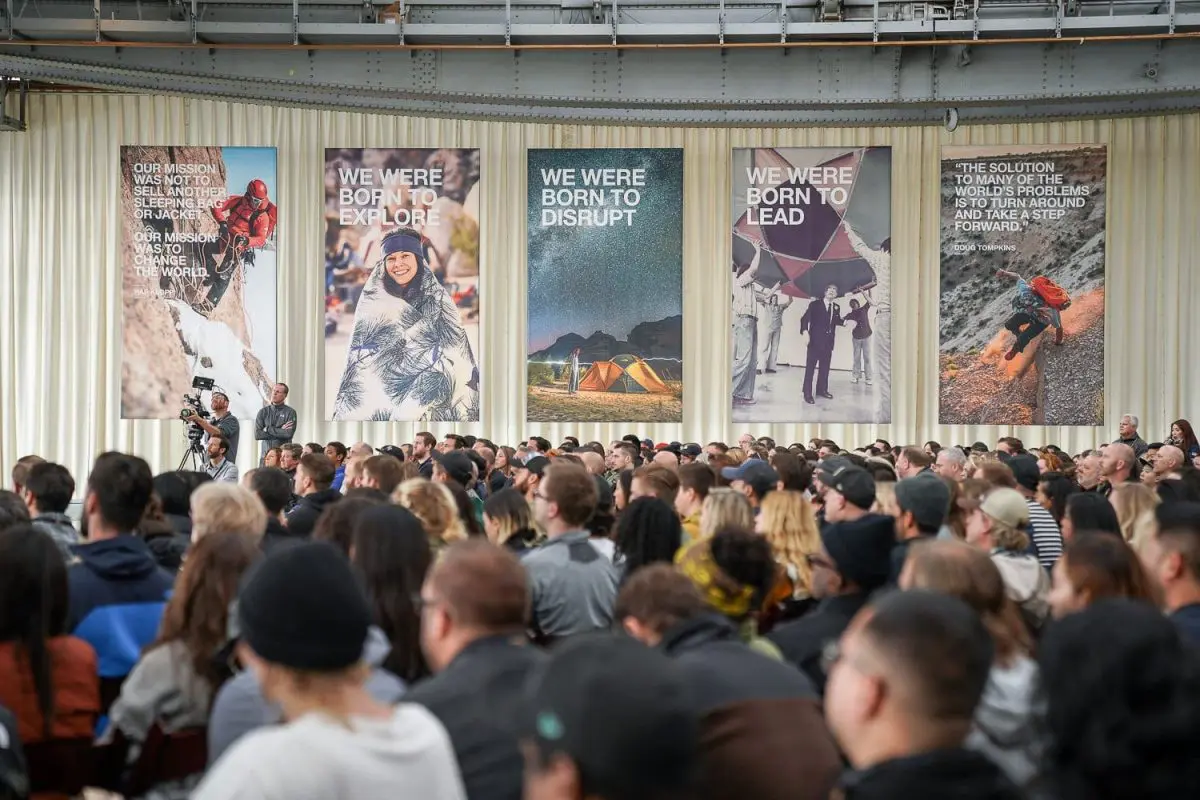
There are two kinds of event photography.
The first kind is documentation. It confirms the basics: the stage was built, the room was full, the signage was correct, the keynote occurred. It’s useful and necessary, and it’s what most people mean when they say, “We need coverage.”
The second kind is evidence. It shows that the event did something. It shows engagement, momentum, connection, and outcomes. It turns a recap gallery from a record into an asset.
Most events are too expensive, too strategic, and too human to be remembered only as a room with good lighting.
The real difference is not style. It’s intent.
“Proving it happened” is a checklist mindset. Wide shot. Speaker on stage. Sponsor wall. Group photo. Candids. Done.
“Proving it mattered” starts with a different question: What is the point of this moment?
When you ask that, the photography changes immediately. You stop collecting scenes and start capturing meaning. Not in a sentimental way. In a practical way that stakeholders understand at a glance. Because later, when people who were not there are deciding whether the event was worth it, they are not looking for proof of logistics. They are looking for proof of impact.
What “mattered” looks like in photos
Impact in a corporate setting rarely looks dramatic. It looks specific:
A keynote that creates belief, not just applause.
A panel where the audience is reacting, not multitasking.
A workshop where people are leaning in, taking notes, and actually participating.
A sponsor activation where attendees are engaging because it’s valuable, not because it’s there.
Networking that reads like connection, not small talk and lanyards.
To see how these moments translate into actual images across corporate events, conferences, and galas, take a look at our events portfolio.
The three layers that separate a generic gallery from a meaningful one
Most event galleries lean on one layer: the obvious one. Strong event storytelling requires three, captured continuously throughout the day.
1) The story everyone expects
The stage, the speakers, the awards, the announcements. These images need to be clean, flattering, and usable. They’re the “headline” layer. But headlines alone are not impact.
2) The proof no one can fake
Audience reaction. The laugh. The quiet attention. The “that was a good point” look. The handshake that turns into a real introduction. The leader listening instead of only presenting. These moments are the evidence layer. They show that something is happening to the people in the room.
3) The intention behind the event
Details matter when they reveal care: brand touchpoints, design choices, signage, production polish, sponsor placements that were actually thought through. This layer is what makes recap decks and marketing content feel cohesive and high-end instead of random. When you have all three layers, the gallery does not just document a day. It communicates the event’s value.
Why “mattered” photos are more valuable than “coverage” photos
A gallery that proves the event happened usually gets used once. A recap post, a handful of internal shares, and then it disappears into a folder. A gallery that proves the event mattered keeps working:
- It helps marketing because the images already communicate energy and credibility.
- It helps sponsors because their presence looks active and worthwhile.
- It helps recruiting because culture is visible, not implied.
- It helps internal buy-in because the event looks like more than a line item.
- It helps next year’s budget conversation because the outcome is easier to defend.
These event photos don’t just preserve a memory. They create leverage. See how corporate event photography supports marketing, recruiting, and stakeholder engagement.
How you capture meaning without being intrusive
The misconception is that real candids require being intrusive or constantly in people’s space. In practice, it’s the opposite.
Meaningful coverage comes from calm positioning, anticipation, and patience. You learn where the “reaction light” will be. You notice who is drawing attention in a conversation. You understand when to shoot wide for context, and when to go tight because the moment is happening in someone’s face. You’re not chasing everything. You’re choosing what matters.
That is why two photographers can shoot the same event and deliver galleries that feel completely different.
A simple litmus test
If you want to evaluate event photos quickly, ask yourself: do these images show what the event looked like?
Or do they show what the event did? Both have a place. But if you are investing in an event for a reason, the photos should reflect that reason.
Some photos prove the event happened. We aim to prove it mattered.

Jack Simpson is a San Francisco corporate event and conference photographer and the founder of Jack Simpson Photography. Since 2016, he has documented corporate events for the world’s top brands, from multi-day conferences and summits to executive dinners and brand activations. His work has been published in World Street Photography vol 6, and he is a contributing member of Professional Photographers of America (PPA)