
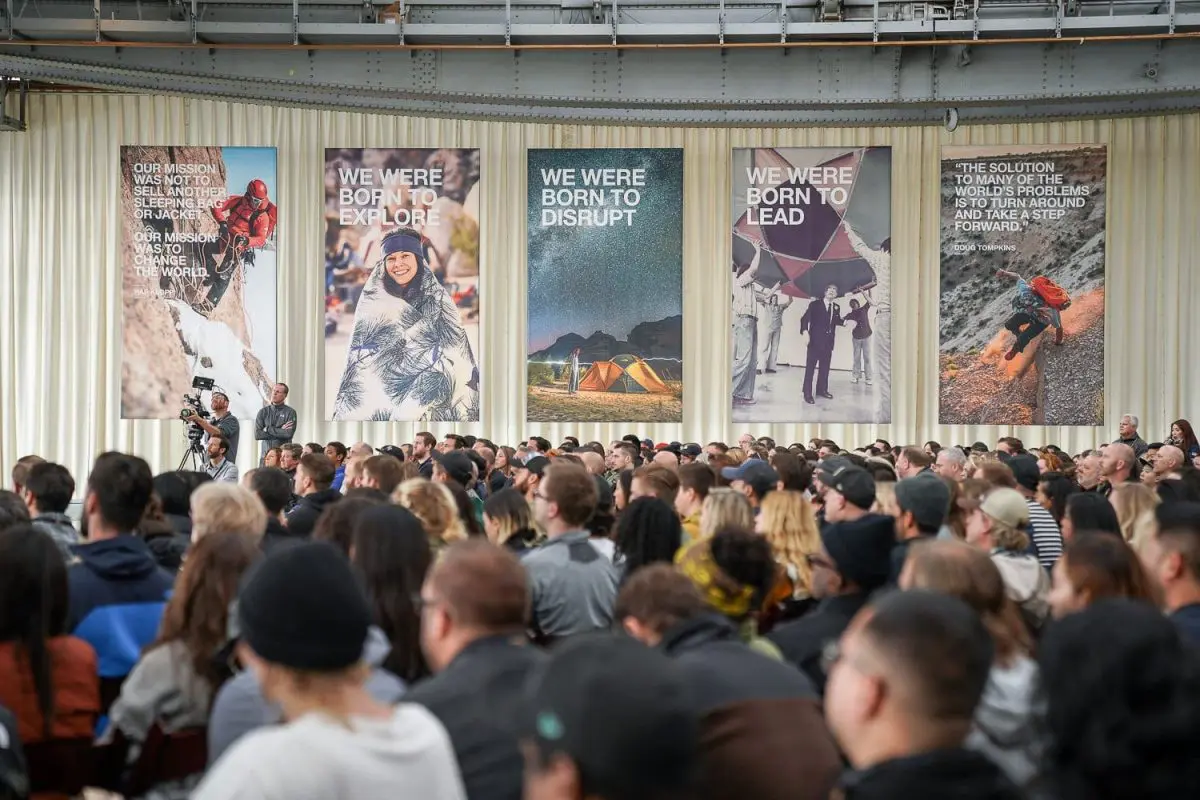
Photographing startup events in San Francisco means being at the intersection of innovation, grit, chaos, and enthusiasm. It also means witnessing a lot of the same event planning missteps. These are small decisions that seem inconsequential in the moment but ultimately result in missed opportunities to tell a brand’s story through photography.
After photographing hundreds of tech events, panels, product launches, and networking mixers over the years, here are some of the most common mistakes I’ve seen. And what organizers can do differently to ensure their event is as photogenic as it is successful.
1. Stage Lighting: Properly Light Your Keynote Speakers and Discussion Panels
A keynote speaker is often the face of your brand for the day. But too often, I show up to find them standing in dramatic shadow, poorly lit by backlights or a dim spotlight that’s fighting the ambient room light. In most instances it is far too disruptive for the photographer to use flash to properly light the subject. The result? Photos where the speaker’s face is underexposed, and the emotional connection is lost.


Tip: If you’re investing in professional photography, invest in professional AV and lighting. Make sure there is adequate front-facing lighting on the stage, and that it remains consistent throughout the presentation. If in doubt, consult your photographer or AV team ahead of time.
2. Seating Strategy: A Room Full of Standers Looks Empty
At intimate panel events or fireside chats, it’s common for attendees to hang back or linger by the snacks. This leads to photos of half-empty rows and a room that looks sparsely attended, even if the headcount says otherwise.


Tip: Encourage people to sit (front & center) by using signage, ushering, or even placing swag in the front rows to entice a full set of front row seating. Cluster seating in tighter arrangements. A full, engaged audience always translates better in photos than a scattered crowd.
3. The Step and Repeat That Wasn’t Ready to Scale
Step-and-repeats are a great branding tool when they’re sized appropriately. A 7-foot-wide banner might work for solo shots, but when groups inevitably form, half the attendees end up standing outside the frame. That means awkward photos featuring backdrop stands, fire extinguishers, exit signs, and the occasional janitor’s closet.


Tip: Go big or reconsider the setup. If you anticipate group photos, opt for a wider banner (10 to 12 feet minimum) or consider a seamless background wall installation. Also, stage the area. Make sure what’s behind and beside the backdrop is intentional and clean.
4. Food + Networking ≠ Shareable Photos
Some of the most valuable images from events are those candid, organic networking shots. People connecting, collaborating, smiling. Unfortunately, when food and drink dominate the scene, it often means photos of half-eaten sliders, crumpled napkins, and mid-bite facial expressions. As a photographer I have a strict policy to not photograph people eating, so when key networking breakouts coincide with snack time it can be a challenge.


Tip: If you want clean, brand-friendly networking images, schedule “media-friendly” mingling windows before food is served. Or at least ensure there are designated food-free zones for cleaner interactions. Your photographer can focus there for a few prime shots.
5. The Space Matters More Than You Think
Every space tells a story. I’ve photographed events in breathtaking venues and in dark, rooms with tangled wires, low ceilings, and brown carpet that swallows any sense of vibrance. Often, organizers focus on cost or location and forget how the room will feel, and photograph, when full of people and equipment.
Tip: Walk your venue with your photographer or take reference photos. Ask yourself: Is there natural light? What are the ceilings like? Where will branding go? How does this space support the story we want to tell?
6. Branding Opportunities Are Often Missed
Good event photos double as marketing assets. But I frequently see branding as an afterthought. Logos are lost in shadows, signage is blocked by chairs, or screens display the wrong slides during key moments.


Tip: Coordinate with your photographer about moments when branding should be prominent such as introductions, keynote, panel discussions. Have your tech team display branded slides during lulls. Think of your stage and signage as a set. It should be designed with the photo in mind.
7. Photographers Can’t Fix Planning in Post
This might be the most important thing I’ve learned. Good photography starts before the camera comes out. A photographer can work magic with angles and lighting, but we can’t invent atmosphere, stage design, or layout.
Tip: Loop in your photographer early. A 10-minute consultation during your planning phase can help you avoid many of the pitfalls listed above and save you hours (and dollars) down the line.
In Summary
Photographing startup events in San Francisco has taught me that while tech evolves fast, the fundamentals of great event imagery don’t. They rely on preparation, intentional design, and thoughtful coordination between organizers, AV teams, and the photographer.
Your event deserves to look as impressive as the ideas being shared. Let’s make sure the photos prove it!

Jack Simpson is a San Francisco corporate event and conference photographer and the founder of Jack Simpson Photography. Since 2016, he has documented corporate events for the world’s top brands, from multi-day conferences and summits to executive dinners and brand activations. His work has been published in World Street Photography vol 6, and he is a contributing member of Professional Photographers of America (PPA)


