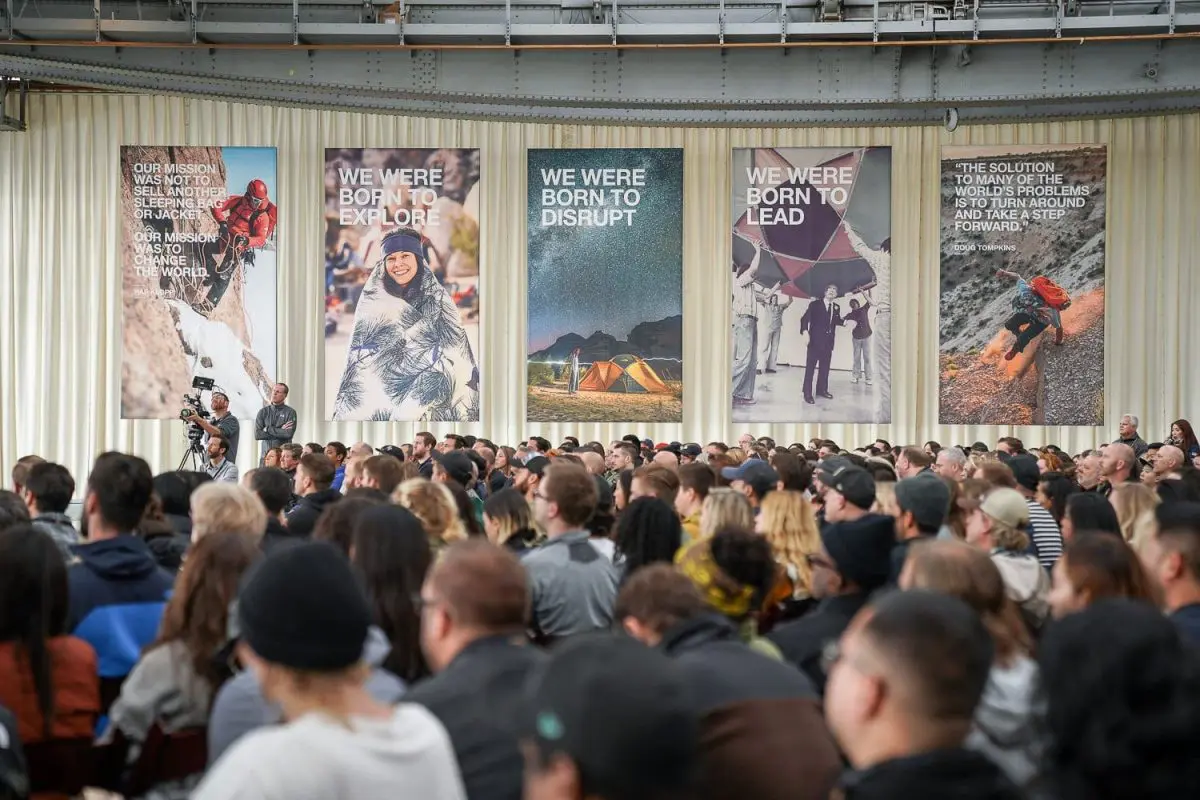
Corporate events are no longer only live experiences. They are high-density content opportunities.
Keynotes, panels, executive conversations, sponsor activations, arrivals, and audience reactions can all become usable visual assets. When captured with intention, the event keeps working long after the room clears.
A single event can produce:
- Social content for weeks
- Speaker highlight posts
- Sponsor recap materials
- Recruiting and culture imagery
- Investor and stakeholder communications
- Website updates
- Sales deck visuals
- Case study assets to promote future events
See examples from real corporate events here: Event Portfolio
None of this requires extra production days or a separate shoot. It comes from the event itself, if coverage is planned around what needs to be communicated.
The shift: from documentation to assets
Many teams hire a photographer to “cover the event.” The result is often a gallery that proves it happened, plus a handful of strong images that may not match marketing needs.
High-ROI teams start with a different question:
What assets should this event generate?
That single change forces alignment between the event’s purpose and the images being captured. It also creates clarity for everyone involved: marketing, comms, leadership, sponsors, and the photo team. Instead of hoping the right moments happen, you define them, prioritize them, and capture them on purpose.


Why events are uniquely efficient content generators
Events compress brand, leadership, community, and social proof into one environment. Replicating that combination with a standalone shoot is difficult and expensive.
You have leadership present and engaged, a space designed with brand cues, real interactions that read as authentic, partners and customers in context, and a natural story arc from arrival to peak moments to closing.
The live experience is for attendees. The content is for everyone else.
Most of your audience will never attend your event, but they will see the outputs. Photography is what allows the value of the room to travel.
The ROI is speed, clarity, and long-tail reuse
Photography becomes a business lever when it delivers three outcomes.
Speed
If images arrive two weeks after the event, momentum has faded. Fast delivery allows marketing, comms, and recruiting to publish while attention is still high.
Clarity
Images decide what the event means to people who were not there. They signal credibility, category leadership, culture, and momentum in a single glance. Strong coverage reinforces the story your brand wants associated with the event.
Long-tail value
Most galleries get posted once and forgotten. Strategic capture creates a library that can be reused across quarterly updates, recruiting campaigns, partner decks, sponsor renewals, speaker announcements, and next-year event promotion. This is where ROI compounds.
What strategic coverage looks like
Strategic event photography is operational. It starts before the doors open.
Align coverage to messaging priorities
Not every moment matters equally. Define must-have assets and build coverage around them:
- Leadership visibility
- Customer proof and partner moments
- Product or announcement beats
- Brand environment and signage
- Sponsor deliverables
- Culture and community
Plan for executive portraits and interaction
Executives appear briefly, then disappear. If you want clean portraits and meaningful interaction shots, plan the moments that make them possible. A five-minute window in the right light can produce images that get used for months.
Capture sponsors for renewals, not vanity
Sponsors renew when they can show outcomes. Their photography should clearly show readable branding in context, real engagement, activations that feel well-attended, and premium presentation. If logos are blocked or shot from unusable angles, the assets lose value.
Match delivery to the marketing calendar
Useful timelines often look like this:
- Next-morning selects for leadership and internal comms
- 24 to 48 hour highlights for social and PR
- Galleries organized by use case: speakers, sponsors, attendees, environment, culture
- A short set of hero images sized for the platforms that matter
The event ends. The assets start working.
The room clears. The program ends. The spend is already committed.
Photography is what makes the value portable. Without it, the impact stays trapped in the room. With it, the event becomes a content engine that supports marketing, recruiting, sales, and stakeholder communications for months.
When events are treated as structured content engines rather than one-day experiences, their long-term marketing impact becomes measurable. For teams looking to quantify that impact across visibility, sponsor value, and asset reuse, a structured framework for measuring event photography ROI provides clarity beyond impressions alone.

Jack Simpson is a San Francisco corporate event and conference photographer and the founder of Jack Simpson Photography. Since 2016, he has documented corporate events for the world’s top brands, from multi-day conferences and summits to executive dinners and brand activations. His work has been published in World Street Photography vol 6, and he is a contributing member of Professional Photographers of America (PPA)